 |
Common Steam Locomotives of the 1940s and 1950s
After being in this hobby for many years, I find that it is still somewhat difficult to remember how to differentiate some of the more common steam locomotives that were used in the 1940s and 1950s. I figured that if I'm having trouble with it, there are probably lots of others having the same problem. So in keeping with my mantra of spreading as much information as I can to fellow model railroaders, I created this page which I hope is helpful in recognizing common steam locomotives of that era.
Pictures are in the side columns and videos are below the text.
Model Steam Locomotives for sale are at the bottom.
Common Steam Locomotives of the 1940s and 1950s
Some of these engines were huge, majestic, complicated mechanical beasts, bigger than life, roaming the countryside and the mountains, but we loved them. There was something very magical and impressive about them. When we see one, we love to pause, look back with nostalgia and remember what it must have been like to live in those times. It might be nice to be able to recall a few details about each of the more common steam locomotives and what they were used for.
How to Recognize and Differentiate the Most Common Steam Locomotives of the 1940s and 1950s
The 1940s and 1950s were the final great years of steam locomotives in regular service across the United States. During this period, railroads relied on a wide variety of steam engines for freight trains, passenger service, switching work, and branch line operations. To the casual observer, many steam locomotives may look similar at first glance. However, with a little practice, it becomes much easier to identify and distinguish the most common types.
Steam locomotives can usually be recognized by their wheel arrangement, overall size, shape of the boiler and firebox, the style of the tender, and the purpose for which they were designed. Learning these basic features is the key to telling one locomotive from another.
Start With the Wheel Arrangement
One of the easiest ways to identify a steam locomotive is by its wheel arrangement, often written in Whyte notation, such as 4-6-2 or 2-8-0. The numbers describe the wheels in three groups:
- the leading wheels in front
- the driving wheels in the middle
- the trailing wheels under the rear of the locomotive
For example, a 4-6-2 “Pacific” has four leading wheels, six driving wheels, and two trailing wheels. The arrangement often gives a strong clue about the locomotive’s purpose.
Passenger locomotives usually had larger driving wheels for speed and often included leading and trailing wheels for stability. Freight locomotives generally had more driving wheels for pulling power. Switch engines were smaller, sturdier, and designed for low-speed yard work.
The 4-6-2 Pacific
The 4-6-2 Pacific was one of the most common passenger locomotives of the first half of the twentieth century and was still widely seen in the 1940s. It was built for speed and smooth riding, making it ideal for pulling passenger trains.
A Pacific can usually be recognized by its balanced proportions. It has a long boiler, three large pairs of driving wheels, and a modest two-wheel trailing truck under the cab area. The driving wheels are often fairly large compared with freight engines. The overall appearance is graceful rather than heavy.
Pacifics were often used on mainline passenger trains before being replaced on the fastest runs by larger locomotives such as Mountains and Northerns. In the 1940s and early 1950s, many were still active on secondary passenger runs and commuter service.
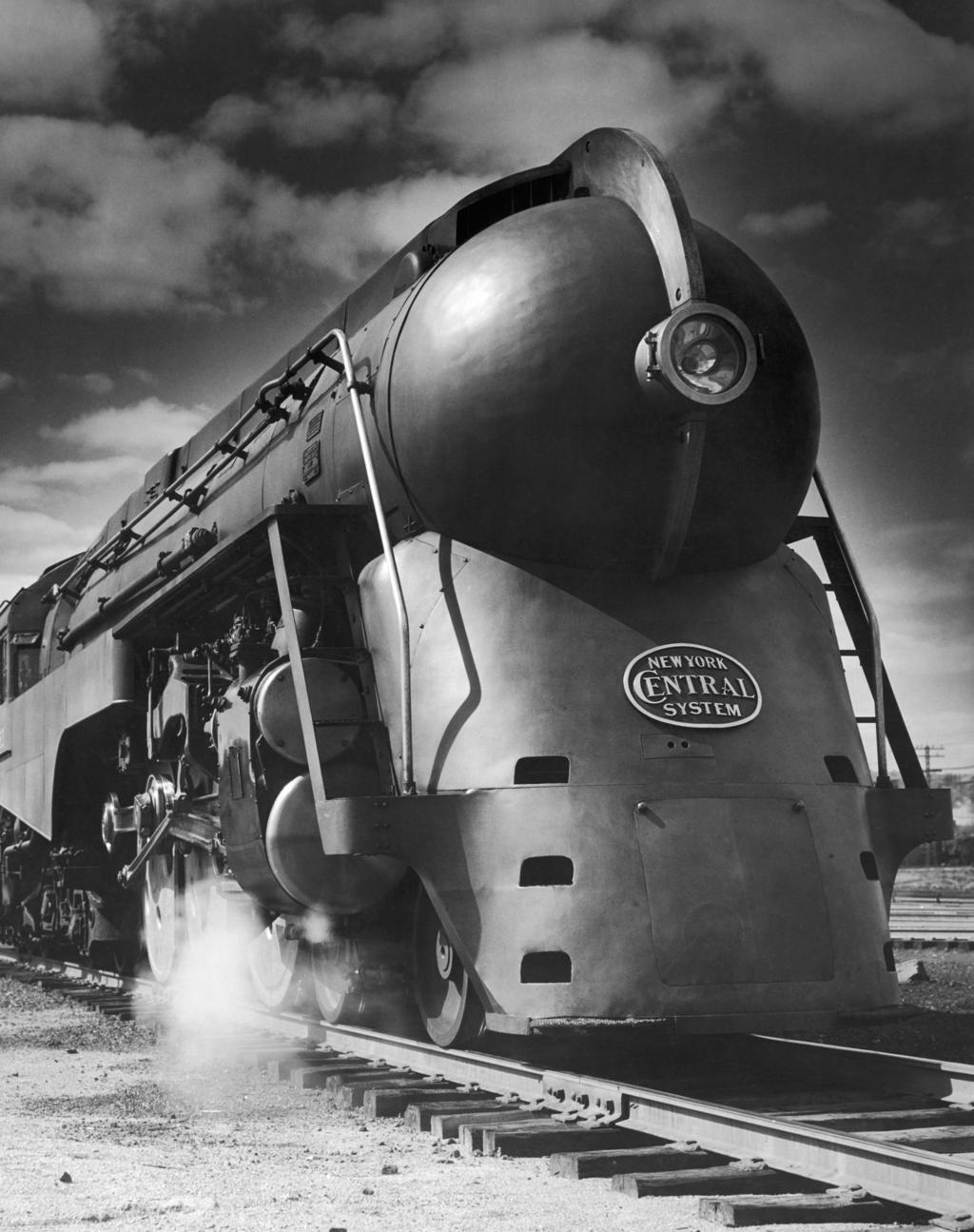
The 4-6-4 Hudson
The 4-6-4 Hudson was a powerful passenger locomotive designed for higher speed and larger trains than the Pacific. It can look similar at first glance, but the extra trailing axle is an important clue.
A Hudson has the same four leading wheels and six driving wheels as a Pacific, but it has four trailing wheels instead of two. This larger trailing truck supported a bigger firebox, allowing more steam production for fast, heavy trains. Hudsons often appear longer and more powerful than Pacifics. They were sleek, fast, and commonly associated with premium passenger service.
If you see a locomotive that resembles a Pacific but has a noticeably larger rear wheel truck, it may well be a Hudson.
The 4-8-2 Mountain
The 4-8-2 Mountain was a versatile locomotive used for both passenger and freight service. It had more driving wheels than a Pacific, giving it greater pulling power while still maintaining good speed.
A Mountain is easy to recognize by its four pairs of driving wheels. That is usually the first thing that stands out. It has four leading wheels, eight drivers, and two trailing wheels. The locomotive looks longer and more muscular than a Pacific, but not quite as massive as the biggest freight engines.
Because Mountains were used in both fast freight and passenger service, they often had an appearance somewhere between a pure passenger engine and a heavy freight locomotive. They were among the most useful all-around engines of the steam era.
The 4-8-4 Northern
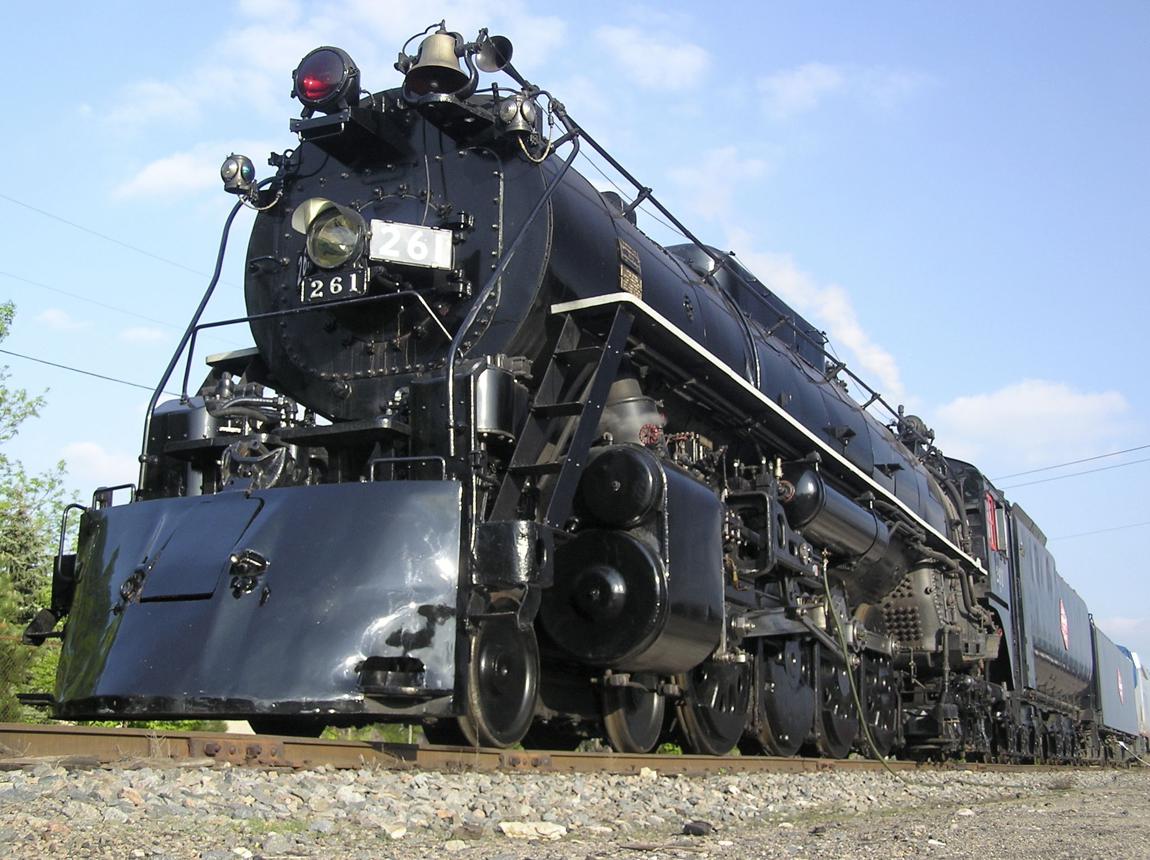
The 4-8-4 Northern became one of the most famous steam locomotive types of the 1940s and 1950s. It was considered by many railroads to be the ultimate dual-purpose steam locomotive, capable of handling both fast passenger trains and heavy freight.
A Northern has four leading wheels, eight driving wheels, and four trailing wheels. This gives it a large, impressive appearance. It is usually longer and larger than a Mountain, with a very substantial firebox and a broad, powerful stance. The extra trailing wheels are an important feature that help distinguish it from the 4-8-2 Mountain.
Many Northerns had streamlined or semi-streamlined styling in passenger service, while others had a more rugged appearance in freight use. They often had large tenders and commanding proportions that made them look every bit as powerful as they were.
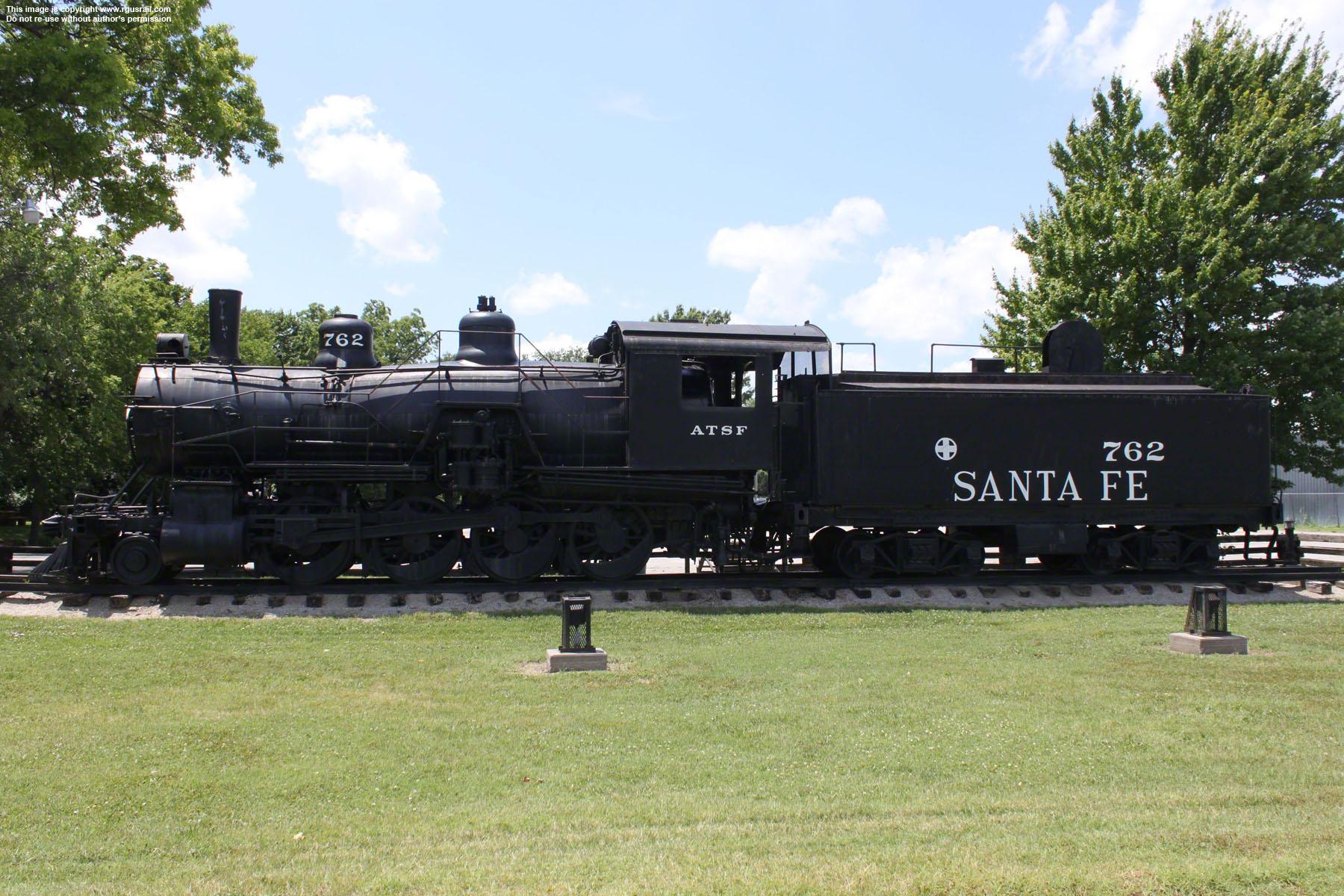
The 2-8-0 Consolidation
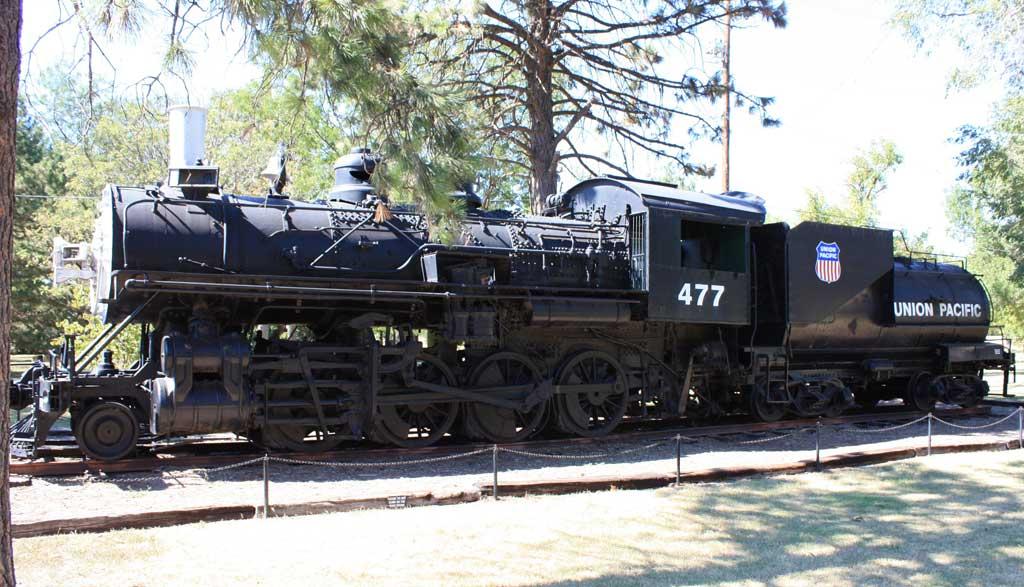
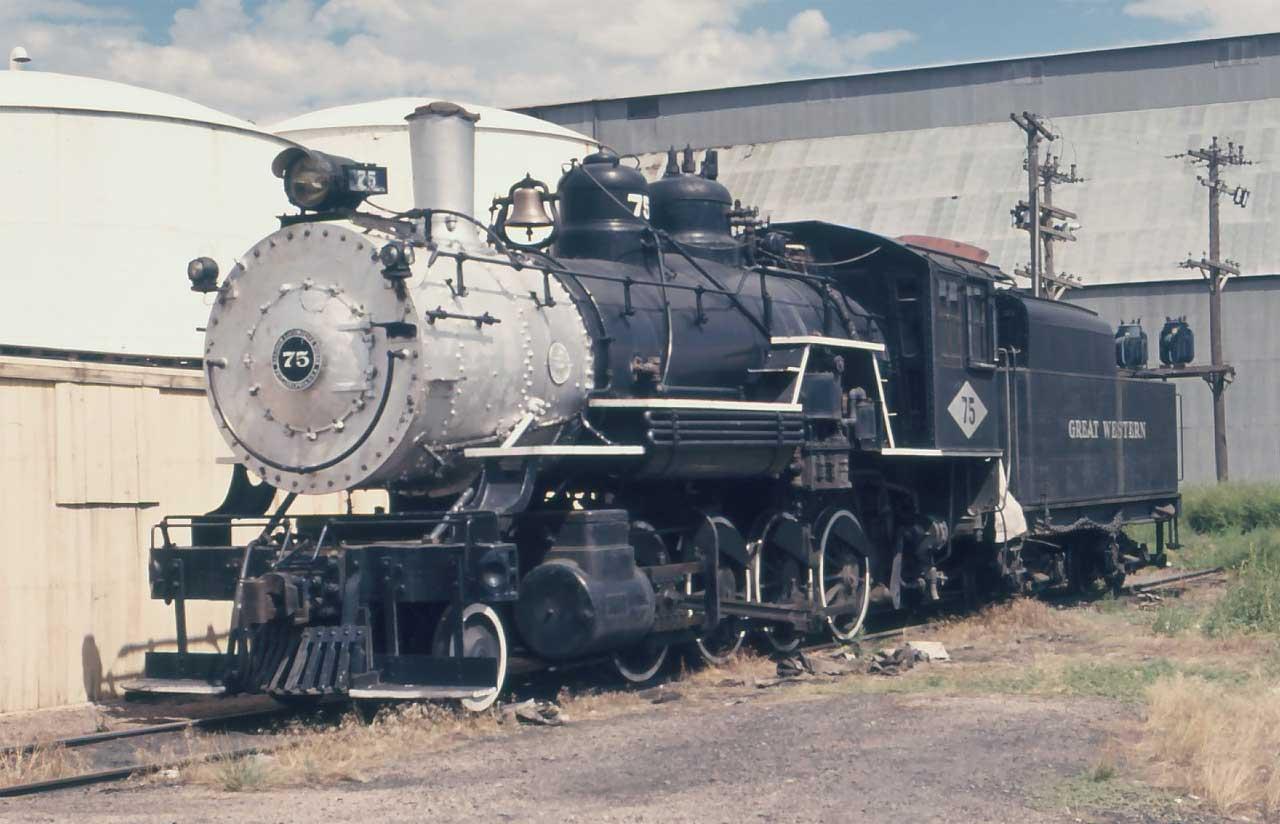
The 2-8-0 Consolidation was one of the most common freight locomotives in North America and remained widespread in the 1940s, especially on branch lines and local freight service.
A Consolidation has two leading wheels, eight driving wheels, and no trailing wheels. Because it lacks trailing wheels, the cab sits closer to the rear drivers, giving it a more compact appearance than later freight engines. The locomotive often looks sturdy and practical rather than elegant.
These engines were not built for speed. They were designed for steady pulling power and reliability. By the 1940s and 1950s, many Consolidations were older locomotives still performing valuable work on lighter lines and in secondary service.
The 2-8-2 Mikado
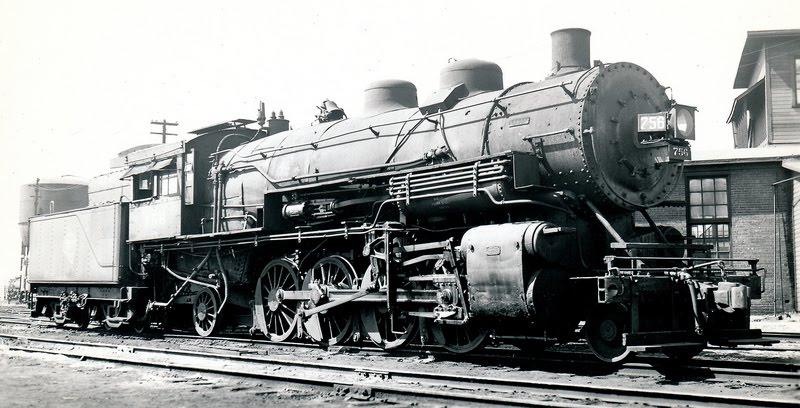
The 2-8-2 Mikado was one of the most common and successful freight locomotives of the steam era. In the 1940s, it could be seen almost everywhere on American railroads.
A Mikado looks similar to a Consolidation at first, since both have eight driving wheels. The key difference is the two-wheel trailing truck under the rear of the locomotive. This allowed for a larger firebox and more power. As a result, the Mikado usually appears longer and somewhat more modern than a Consolidation.
If you compare the two side by side, the Mikado looks more balanced and stretched out, while the Consolidation looks shorter and more compact. Mikados were true workhorses and handled a tremendous amount of freight traffic during the last decades of steam.
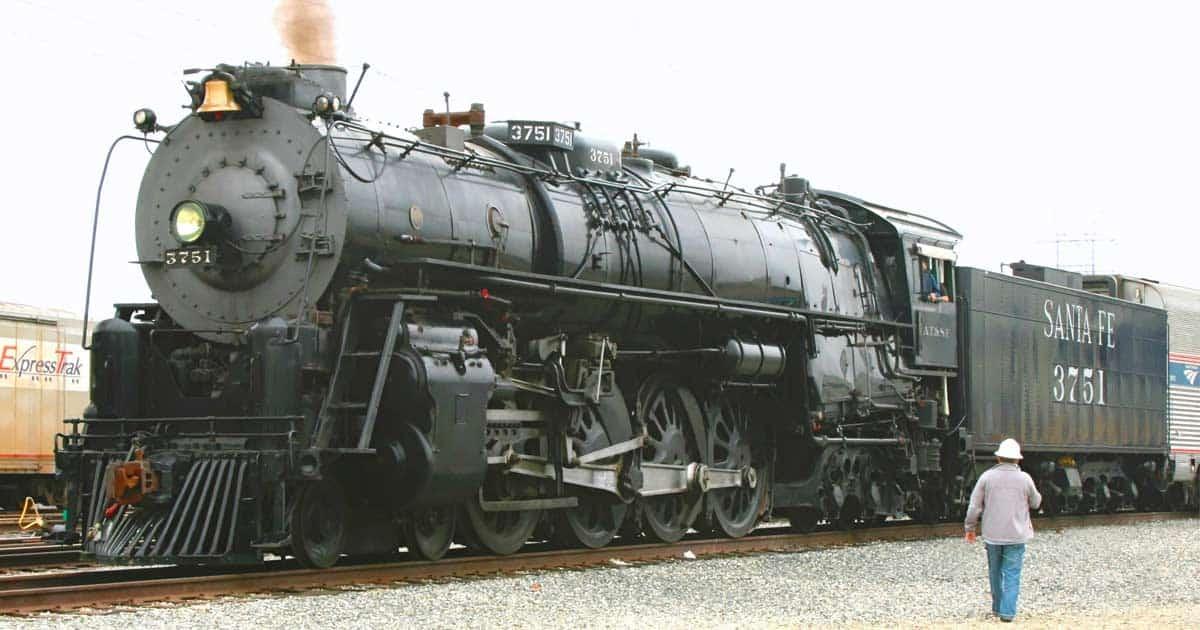
The 2-10-2 Santa Fe
The 2-10-2 Santa Fe was built for heavy freight hauling. These engines were not known for speed, but for raw pulling ability.
A Santa Fe locomotive can be recognized by its five pairs of driving wheels. That is the most obvious feature. It has two leading wheels, ten drivers, and two trailing wheels. The extra drivers make the locomotive look long and low. Compared with a Mikado, it appears more elongated and more heavily built.
Because of their long rigid wheelbase, 2-10-2 locomotives were better suited to slower freight service and were less at home on sharp curves or fast schedules. They were impressive engines, but their appearance immediately suggests strength over speed.
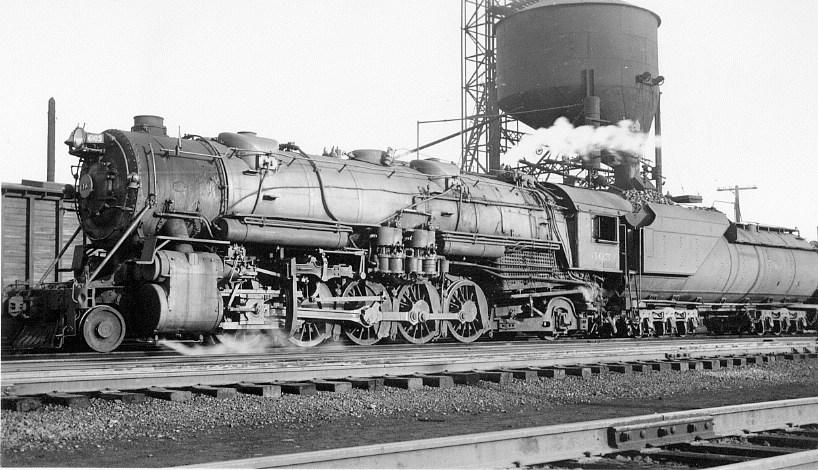
The 2-8-4 Berkshire
The 2-8-4 Berkshire was a powerful freight locomotive with excellent speed and steam capacity. It became one of the standout freight engines of the later steam era.
A Berkshire has two leading wheels, eight driving wheels, and four trailing wheels. It can be thought of as a larger, more powerful cousin of the Mikado. The four-wheel trailing truck is the giveaway. That larger rear truck supported a bigger firebox, giving the engine much greater power potential.
Berkshires often had a bold, modern look and were used on fast freight trains. They were bigger and more impressive than Mikados, yet not as long as some of the ten-coupled freight engines.
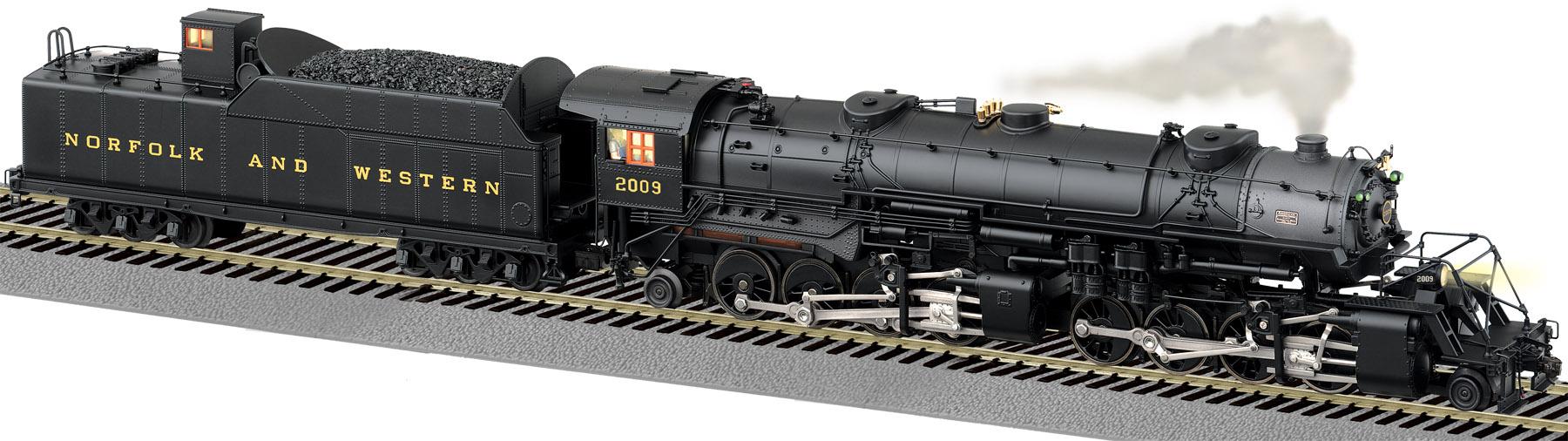
Mallet - Articulated Locomotive
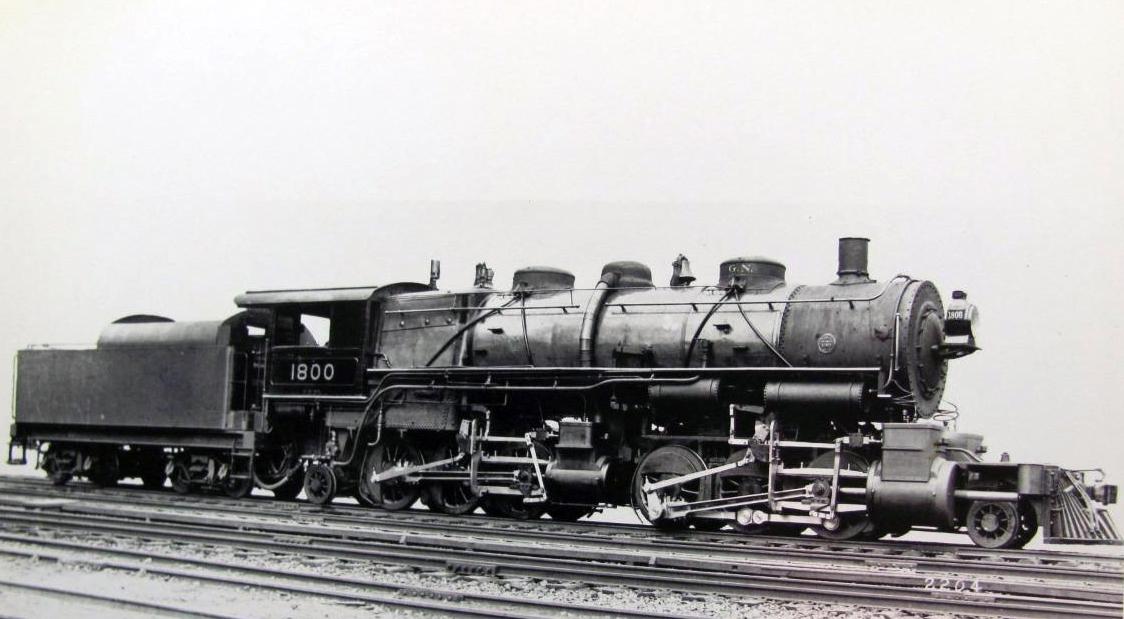
A Mallet locomotive is a type of articulated steam engine designed to deliver enormous pulling power while still being able to navigate curves. Invented by Anatole Mallet in the late 19th century, these locomotives feature two sets of driving wheels: a rear set fixed under the boiler and a front set mounted on a pivoting engine unit. This articulation allows the locomotive to be very long and powerful without being restricted to straight track. True Mallet designs used compound steam expansion, meaning steam was used twice—first in high-pressure cylinders and then again in larger low-pressure cylinders—for greater efficiency. By the 1940s and 1950s, many American “Mallets” (like the famous Union Pacific Big Boy) were actually simple articulated engines (not compound), but the name “Mallet” remained in common use. These massive locomotives were primarily used for heavy freight service, especially on steep grades, where their immense tractive effort made them indispensable.
The 0-6-0 and 0-8-0 Switchers
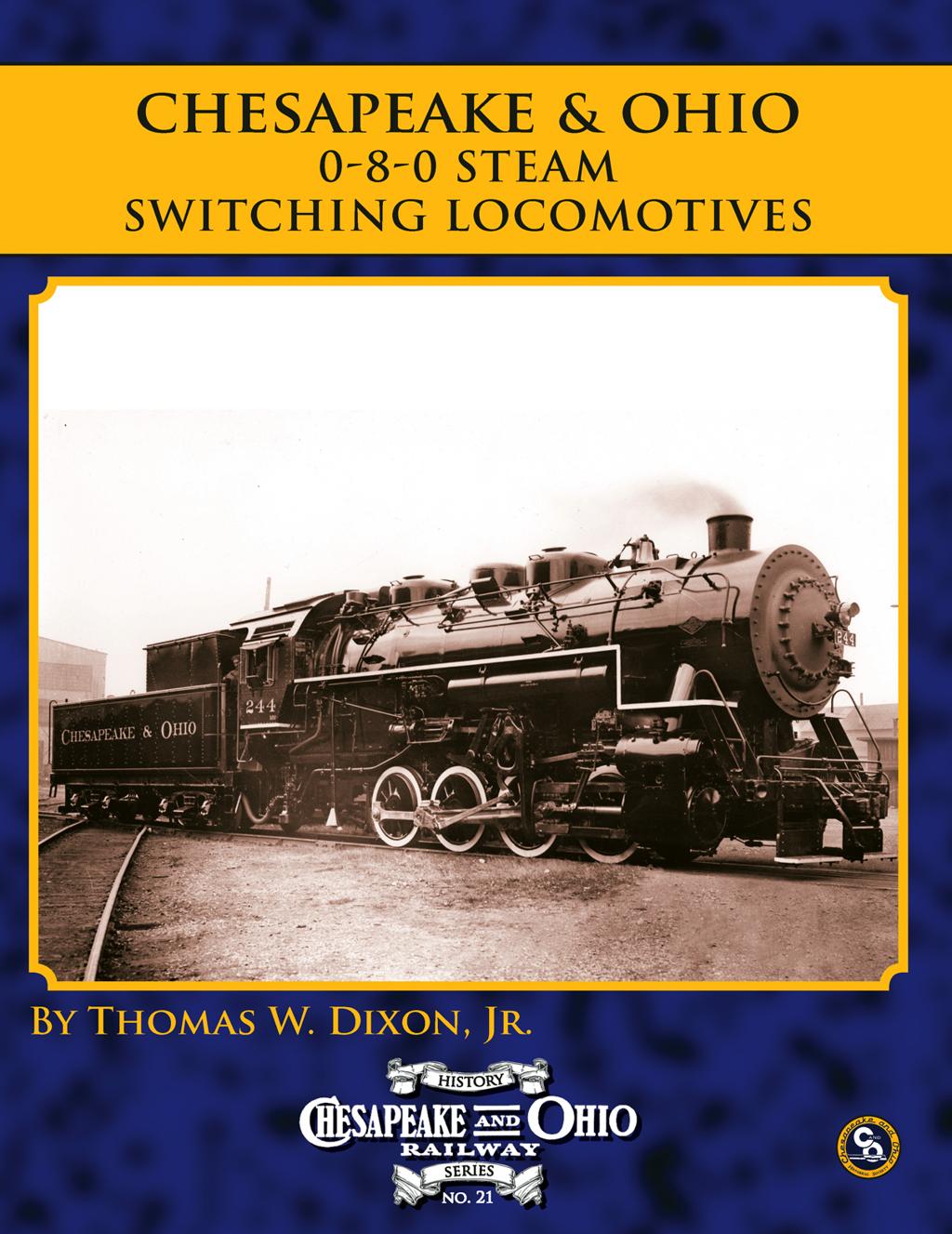
No study of common steam locomotives is complete without switch engines. In the 1940s and 1950s, the 0-6-0 and 0-8-0 were very common in rail yards and industrial areas.
These locomotives had no leading wheels and no trailing wheels. All of their wheels were driving wheels. An 0-6-0 had six drivers, while an 0-8-0 had eight. Because they were designed for low-speed switching, they were usually shorter, squat, and powerful-looking. They often had smaller tenders and a no-nonsense appearance.
If you see a steam locomotive with no pilot truck in front, no trailing truck in back, and a compact body meant for yard work, it is probably a switcher. The 0-8-0 is generally larger and heavier than the 0-6-0.
Look at the Drivers
Another major clue is the size of the driving wheels. Passenger locomotives usually had larger drivers because large wheels are better for speed. Freight locomotives usually had smaller drivers because smaller wheels provide better tractive effort.
A locomotive with very large drivers and graceful proportions is more likely to be a passenger engine. A locomotive with smaller drivers, more bulk, and a heavier stance is more likely to be a freight engine.
Look at the Front and Rear of the Locomotive
The front of the locomotive can also help identify it. Passenger engines often had a cleaner, more refined look, sometimes with streamlining, large headlights, and decorative features. Freight engines tended to look more rugged and utilitarian.
The rear of the locomotive is important too. If there are no trailing wheels, the engine may be an older or more basic freight design, such as a Consolidation. If there are two or four trailing wheels, the locomotive probably has a larger firebox and greater power, as seen on Mikados, Mountains, Berkshires, and Northerns.
Consider the Locomotive’s Job
The easiest way to identify a steam locomotive is often to ask what it was built to do.
Passenger locomotives were designed for speed and smoothness. They often had larger drivers and a more elegant appearance.
Freight locomotives were designed for pulling power. They usually had more driving wheels, smaller drivers, and a heavier, more muscular look.
Switch engines were designed for low-speed yard work. They were compact, practical, and lacked the leading and trailing wheels found on road locomotives.Why This Matters for Model Railroaders and Historians
Recognizing steam locomotives adds a whole new level of enjoyment to railfanning, museum visits, and model railroading. It helps you understand why different railroads used certain locomotive types and how those engines matched the trains they pulled.
For model railroaders, knowing the differences between a Pacific, Mikado, Berkshire, or Northern can help in choosing locomotives that fit a specific era and region. For railroad history enthusiasts, these distinctive engines represent the last great chapter of steam before diesel power took over.Final Thoughts
The steam locomotives of the 1940s and 1950s were more than just machines. They were specialized tools designed for very specific jobs, and their shapes reveal those purposes. Once you learn to recognize wheel arrangements, driver size, locomotive proportions, and service type, identifying them becomes much easier.
The next time you look at a photograph, visit a museum, or watch a train on a historic railroad, take a closer look. Count the wheels, study the shape, and consider the locomotive’s purpose. Before long, you will be able to tell a Pacific from a Hudson, a Mikado from a Berkshire, and a Consolidation from a switcher with confidence.
Malet - BigBoy -The largest Steam Locomotive in the World
YB6 vs. Big Boy
N&W J Class 611
Back to Home Page
Contact Me | Blog | Photos | References | Supplies | GiftShop | Sitemap | Search | Comment | Privacy Statement | Disclosures

Sign up for our free monthly newsletter ...

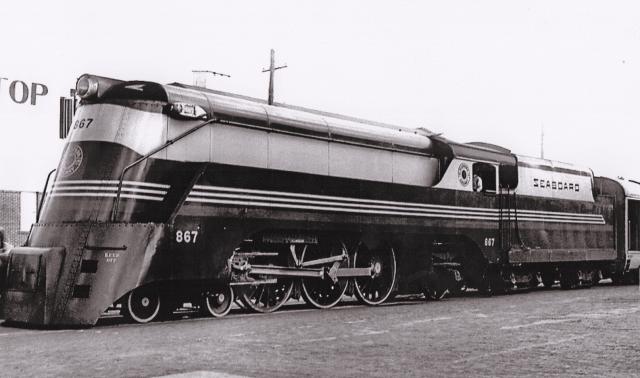
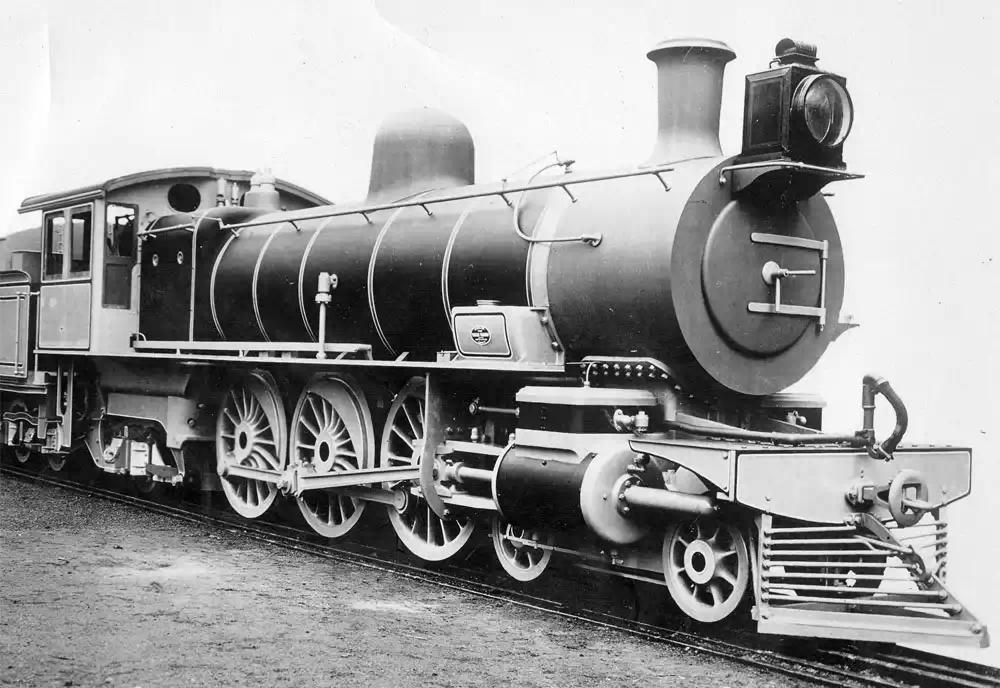
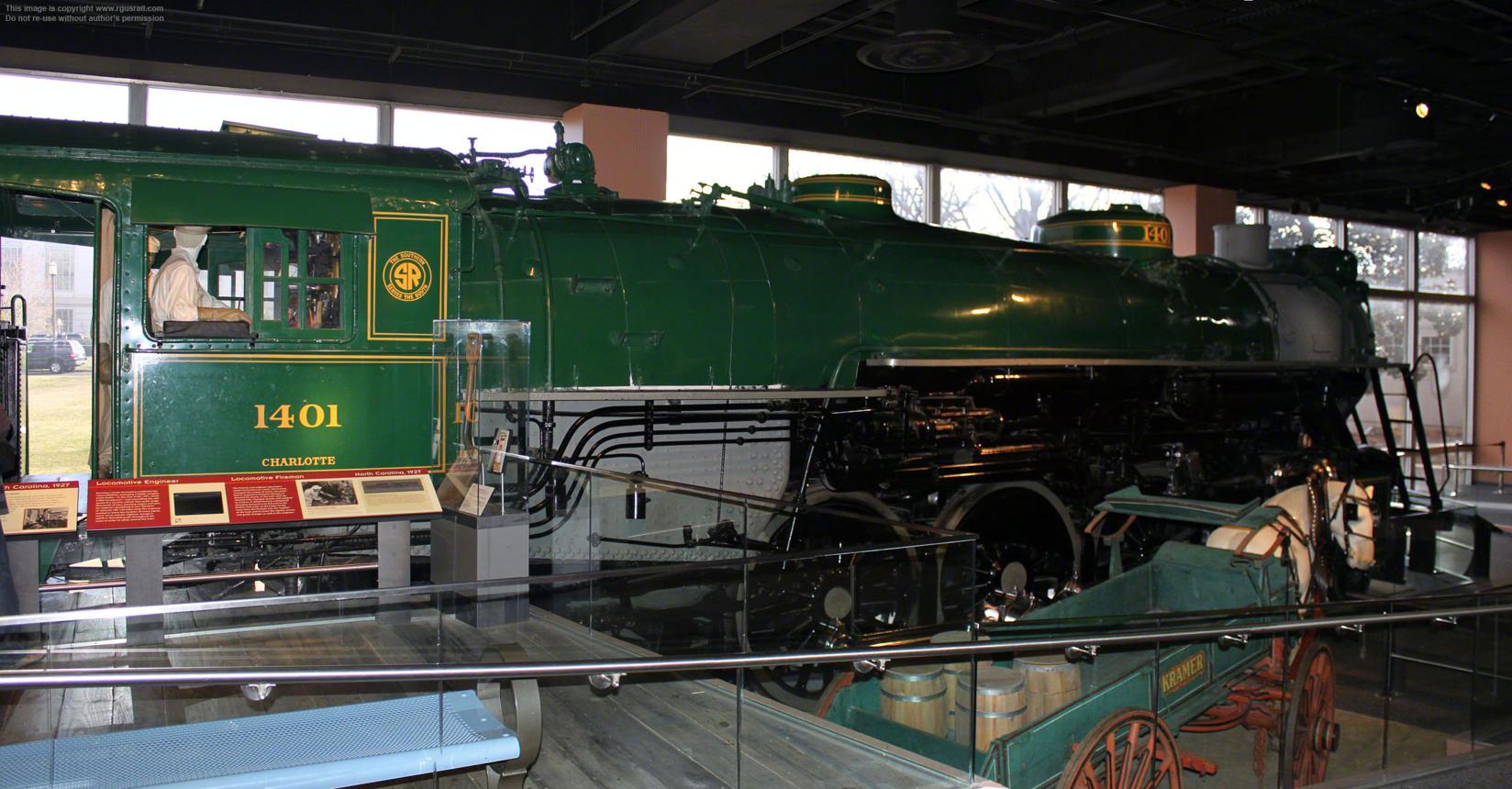
Pacifics 4-6-2 (Passenger Locomotives)
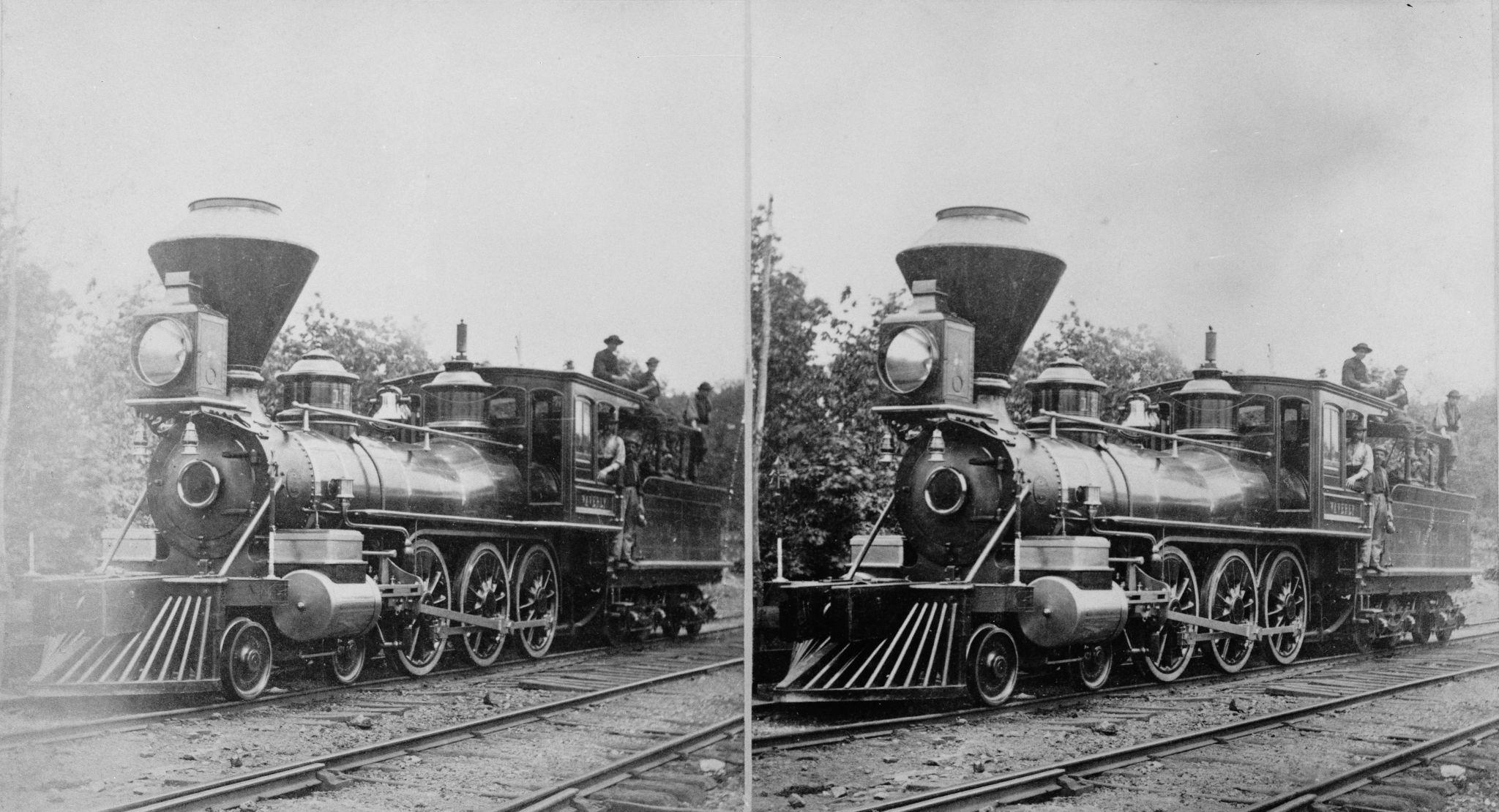 Central Pacific 4-4-0
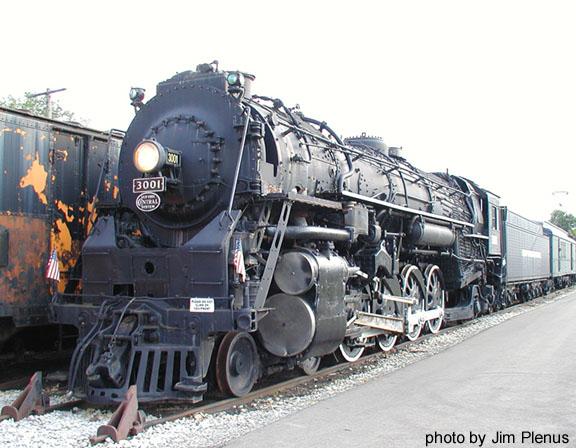
The Hudsons 4-6-4
Sleek and fast - More powerful Premium Passenger Service
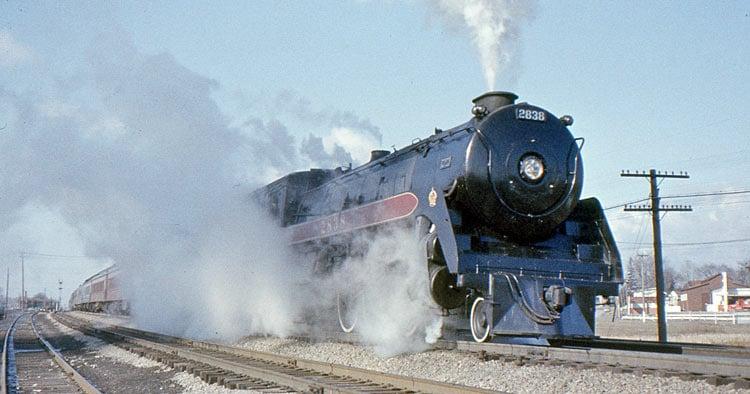
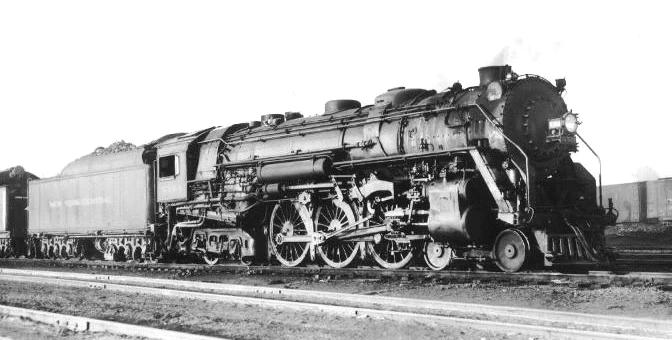
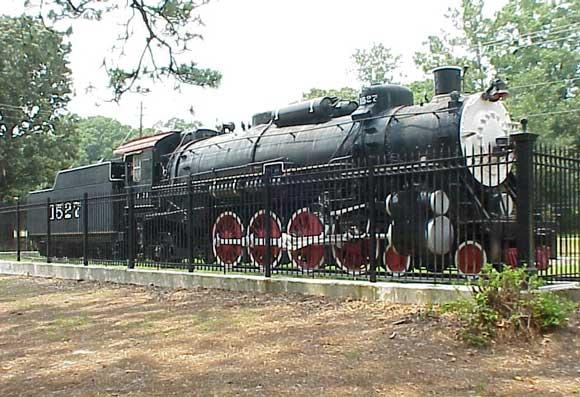
Mountains 4-8-2
Both Freight and Passenger Service
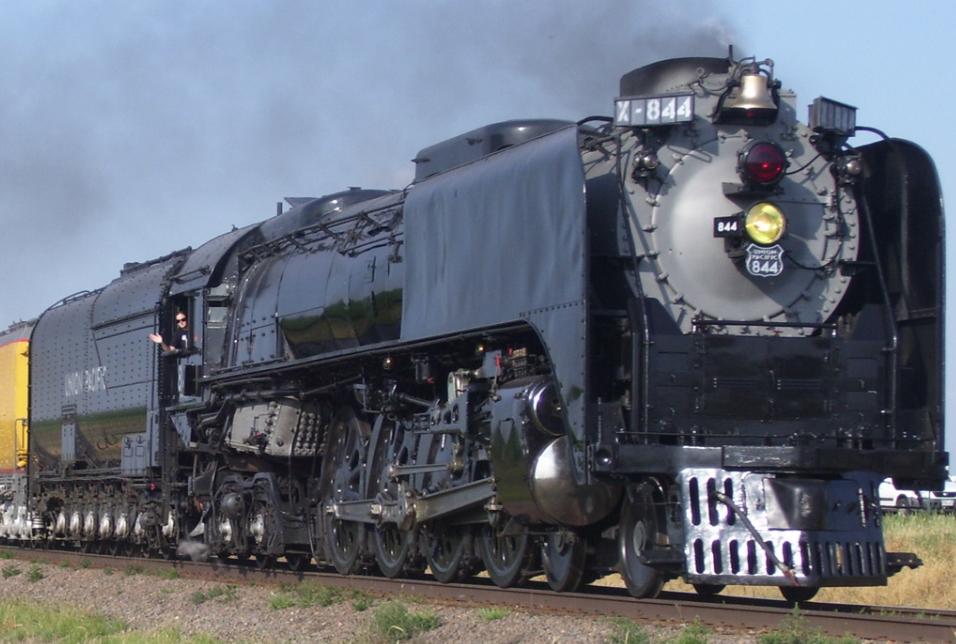
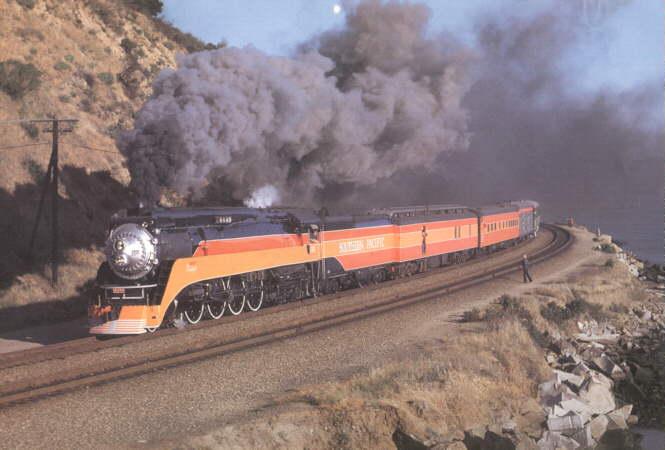
Northern 4-8-4
More powerful, Freight and Passenger Service
This unique Model Railroad Museum was established in November of 2024 as a non-profit community organization featuring ten operating model railroads in all the different major scales, a STEM Program for students, historical displays, group tours and clinics on how to develop your skills as a model railroader. It's definitely worth a visit if you're in the area.
Open 12-6 pm on all Fridays, Saturdays and Sundays through April, 2026. They will be moving to a new location after that. Will provide an update later this year.
Update: Aug. 2. 2026. Unfortunately, the MacArthur Center where our Museum was located has closed and we have been forced to evacuate our space there. Until we can find a more suitable place, we are temporarily located in a small office/store at 750 Lord Dunmore Dr., Unit #109, Virginia Beach, VA 23464. Our multiple layouts have been dismantled and are in storage nearby. The good news is that we have many items that are available for sale at greatly discounted prices. Our hours of operation are 2pm to 5pm, every Mon, Weds, Fri, and Sat except major holidays.The proceeds will be used to create a new and better museum once we have found the right location.

Tracks Newsletter: Sign Up Here!

√ = ad or sponsored link
What's New on BYMRR.com?
Recent Articles


-
Model Railroad Supplies
Oct 01, 26 05:30 PM
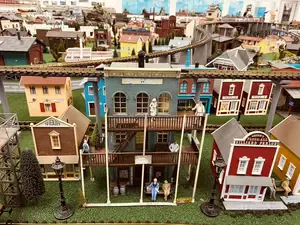 We have started a new store to help you build your layout and teach your youngsters about science with STEM products.
 -
common-steam-locomotives-of-the-1940s-and-1950s
Apr 14, 26 04:27 PM
Common Steam locomotives of the 1940s and 1950s -
BYMRR-Store
Mar 22, 26 01:22 PM
 New model railroad store created by model railroaders for model railroaders.
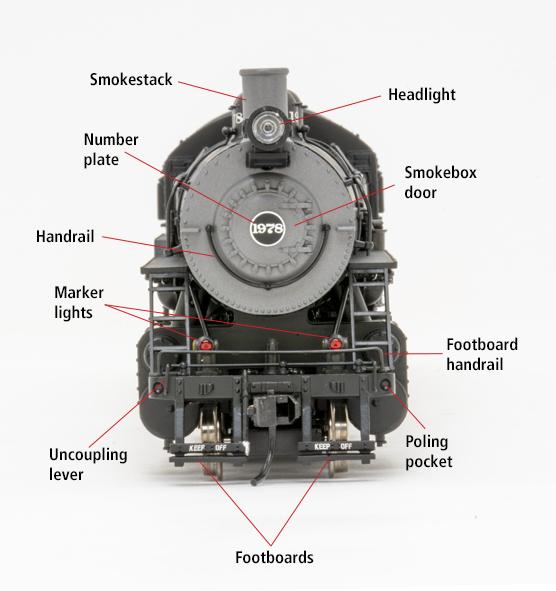
Consolidation 2-8-0
Freight Service
Mikado 2-8-2
Freight Workhorse
Santa Fe 2-10-2
Heavy Freight
Berkshire 4-8-4
Fast Freight
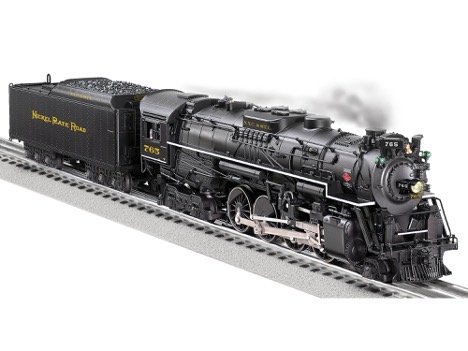
Switchers 0-8-0 and 0-6-0
Yard Work
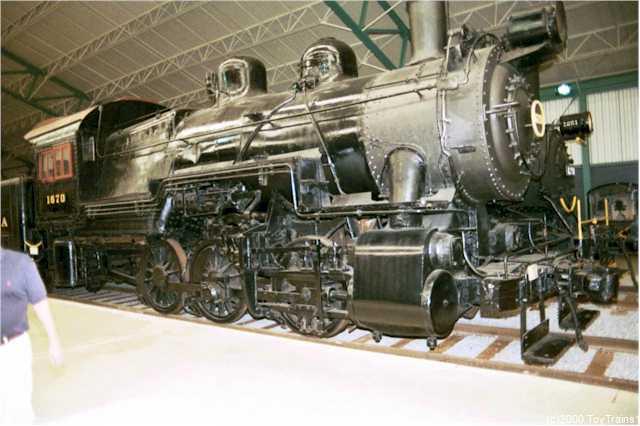
Malet - Articulated
Massive, heavy, great traction on grades
Building Your Model Railroad
